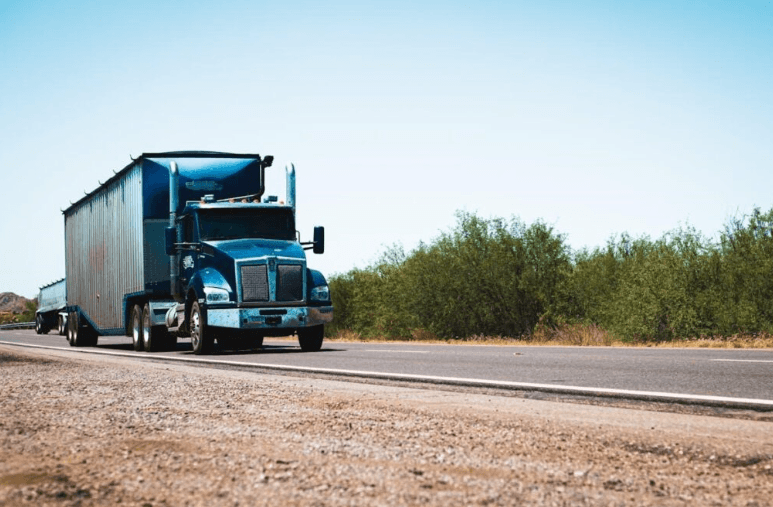
The aftermath of a commercial truck crash brings an overwhelming wave of physical and financial devastation to a family. When a loved one sustains a catastrophic injury on the highway, the immediate focus is naturally on survival and urgent medical care. However, the reality of lost wages, mounting hospital bills, and the need for lifelong medical support quickly sets in.
Highway travel carries significant risks for local drivers. In 2025, Pennsylvania recorded over 109,000 reportable traffic crashes, underscoring the severe dangers families face simply commuting on local roads. Surviving the initial impact is only the first hurdle. Securing your family’s financial future requires moving well beyond quick insurance settlements and fighting for comprehensive, long-term compensation.
Navigating the aftermath of a severe highway collision demands a dedicated advocate who understands local courts and the aggressive tactics used by commercial trucking insurers. Partnering with a seasoned personal injury advocate familiar with Chester County’s commercial vehicle litigation ensures your fight is handled by professionals driven to serve. Having a local legal team in your corner means you are ready to fight for suitable compensation that actually covers your long-term medical and life planning requirements.
Key Takeaways
- Commercial truck accidents involve complex liability networks and exponentially higher recovery costs than standard passenger car crashes.
- A Life Care Plan is an essential requirement for accurately estimating and legally claiming decades of future medical expenses.
- Victims must understand the clear difference between economic and non-economic damages to maximize their overall financial recovery.
- Never accept an initial settlement offer from a trucking company’s insurance adjuster without first consulting a local legal expert.
Why Commercial Truck Crashes Demand a Different Strategy
A collision involving a commercial tractor-trailer is fundamentally different from a standard fender-bender between two passenger cars. The sheer scale of the vehicles involved changes the physics of the crash, while the commercial nature of the transport industry changes the legal landscape.
The Physical Reality of Highway Collisions
Commercial vehicles are massive machines that cause widespread destruction when control is lost at highway speeds. The weight difference alone guarantees that the occupants of the smaller vehicle will bear the brunt of the impact. Industry data confirms that trucks usually weigh 20 to 30 times more than passenger cars, frequently resulting in the smaller vehicles under-riding trucks in crashes.
This massive weight disparity leads directly to catastrophic injuries, such as traumatic brain injuries, spinal cord damage, and severe amputations. Recovering from these trauma events requires lifelong medical management rather than just a few weeks of standard physical therapy. Victims often face permanent disabilities that alter their ability to work, walk, or live independently.
Unraveling the Web of Liability
Unlike a standard two-car crash where one driver is clearly at fault, commercial truck accidents often involve multiple responsible parties. A detailed investigation is required to uncover every entity that contributed to the collision. This complex web of liability makes pursuing a claim highly challenging without experienced representation.
A single crash can involve a long list of potential defendants, ranging from the truck driver to independent maintenance teams and freight loaders. Uncovering these details requires aggressive legal discovery.
If you or a loved one has suffered severe harm due to another party’s carelessness, consulting a knowledgeable truck crash attorney in Coatesville is an essential step in protecting your family’s future. A dedicated firm possesses the forensic resources necessary to map out corporate liability following complex tractor-trailer accidents. This advocacy ensures you secure suitable compensation for your steep medical bills and long-term life planning requirements, allowing you to focus entirely on physical rehabilitation.
| Potential Defendant | Role in Crash Liability |
|---|---|
| The Truck Driver | Speeding, hours-of-service violations, distracted driving, or impairment. |
| The Trucking Company | Negligent hiring practices, unrealistic delivery quotas, or inadequate driver training. |
| Cargo Loaders | Improperly secured freight leading to weight imbalances, rollovers, or falling debris. |
| Maintenance Providers | Failure to replace worn brakes, blown tires, or faulty steering mechanisms. |
Because there is so much money on the line, these trucking corporations deploy aggressive legal teams to the crash scene almost immediately. Their primary goal is to protect their bottom line by shifting blame away from their drivers and operations. Victims need a strategy that matches this level of corporate aggression.
Calculating Long-Term Damages After a Severe Highway Injury
Understanding the true cost of a catastrophic injury is a primary step in protecting your family from bankruptcy. If you do not know the exact financial value of your long-term needs, you cannot demand fair compensation from the at-fault parties.
The Staggering Costs of Severe Truck Accidents
The comprehensive costs associated with large truck crashes are astronomical. Victims must pursue maximum compensation rather than accepting early, lowball offers that fail to account for future needs. Recent statistics highlight federal data indicating that severe or fatal crashes can result in millions of dollars in economic and societal impact.
To put this into perspective, the Federal Motor Carrier Safety Administration calculates the average cost of a commercial truck accident involving an injury at $148,279, while a fatal crash skyrockets to $7.2 million.
An initial settlement offer from a corporate insurance adjuster will rarely come close to covering these massive, lifelong costs. Adjusters base their first offers on immediate medical bills, intentionally ignoring the decades of care a victim will inevitably require.
Economic vs. Non-Economic Damages
To accurately calculate the compensation you need, your legal team will divide your losses into two distinct categories recognized by Pennsylvania courts. You must claim both types of damages to ensure your family’s ongoing financial stability.
Economic damages are defined as quantifiable, out-of-pocket costs tied directly to the accident. These include current hospital bills, ongoing physical rehabilitation, necessary home modifications like wheelchair ramps, and specialized transportation. Non-economic damages represent subjective, unquantifiable losses. These include pain and suffering, emotional distress, physical disfigurement, and a diminished quality of life.
| Damage Category | Definition | Examples of Victim Compensation |
|---|---|---|
| Economic Damages | Quantifiable financial losses with a clear dollar amount. | Surgeries, future medication costs, lost wages, and property damage. |
| Non-Economic Damages | Subjective losses related to human suffering and lifestyle changes. | Chronic pain, depression, loss of consortium, mental anguish. |
Securing proper economic damages also involves hiring financial experts to project lost earning capacity over a victim’s lifetime. If a breadwinner can no longer work, economists calculate inflation, expected promotions, and retirement benefits to ensure the family does not suffer financially for an accident they did not cause.
The Life Care Plan: Your Blueprint for Recovery
When dealing with catastrophic injuries, you cannot simply guess how much money you will need in ten or twenty years. Families frequently ask what exactly a Life Care Plan is and why it is mandatory for severe truck crash injuries. This document is the primary tool used to secure decades of future medical funding.
Legal and medical professionals define the concept clearly. “A life care plan is a comprehensive document that is crafted by medical and financial experts that outlines the future medical needs, equipment, services, and overall financial support that will be needed by a particular individual as they recover from a life-changing injury or new disability.”
This expert-backed document prevents victims from outliving their settlement funds. By detailing the exact costs of future surgeries, replacement prosthetics, in-home nursing care, and specialized medications, the plan forces insurance companies to face the long-term reality of the victim’s needs. A judge and jury can look at a Life Care Plan and immediately understand the permanent financial burden placed upon the victim’s family.
Navigating Pennsylvania’s Legal Roadblocks
The path to securing long-term financial support is filled with legal traps designed by insurance companies to minimize payouts. Protecting your claim within the local legal system requires avoiding common pitfalls and understanding your rights under state law.
The Dangers of the First Settlement Offer
Insurance adjusters working for large trucking companies rely on a victim’s financial desperation. They quickly offer a lump sum shortly after the accident, while families are panicked about paying their mortgages and initial hospital bills. Their goal is to close the case permanently before the victim realizes the full, long-term extent of their physical injuries.
Accepting this first offer legally waives your right to ask for more money later. If your medical condition worsens, or if the cost of your in-home care increases significantly over time, you cannot reopen a settled claim. Signing a quick-release form is one of the most dangerous actions a family can take following a highway collision.
Deadlines and the Value of Local Representation
Time is heavily restricted when pursuing a legal claim. In Pennsylvania, victims have a strict two-year statute of limitations to file a truck accident lawsuit for personal injury or wrongful death. Failing to file within this exact window will result in the court permanently dismissing your case, regardless of how severe the injuries are.
This tight deadline emphasizes why victims need specialized legal representation familiar with both commercial trucking regulations and the specific Coatesville and Chester County court systems. Gathering evidence, building a Life Care Plan, and negotiating with unyielding insurance companies takes significant time and local expertise.
A dedicated local team will handle the intimidating negotiations on your behalf. This allows your family to step away from the stress of legal battles and focus entirely on physical recovery and emotional healing.
Conclusion
Surviving a commercial truck crash requires a proactive, expertly documented fight for lifelong financial and medical support. The sheer physical destruction caused by commercial vehicles demands a legal strategy that looks decades into the future rather than settling for immediate, inadequate payouts.
Combining a detailed, expert-backed Life Care Plan with aggressive legal advocacy is the only way to ensure a victim’s ongoing needs are fully funded. This tailored approach forces negligent trucking companies to take full responsibility for the lasting damage they cause on Pennsylvania highways.
Reaching out for a free consultation lowers the barrier to entry and provides immediate clarity for overwhelmed families. It is the first step in leveling the playing field, allowing you to partner with a legal team whose primary mission is your long-term success and financial security.